



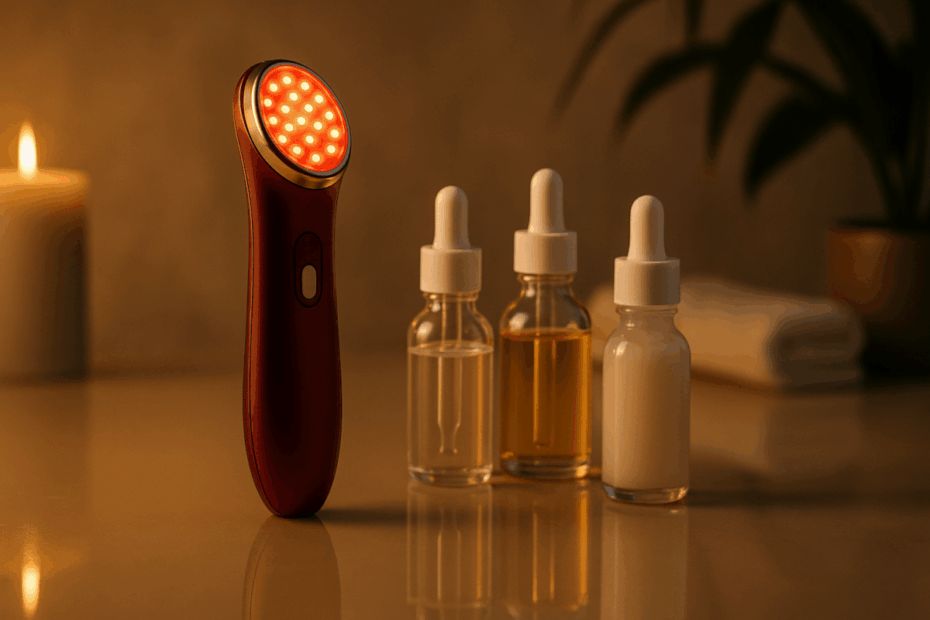

Red light therapy (RLT) has surged in popularity in recent years, not only among wellness enthusiasts and dermatologists but also within the broader scientific community. Known for its non-invasive approach to improving skin texture, reducing inflammation, and stimulating cellular repair, this treatment has become a staple in biohacking and human optimization. However, as red light therapy becomes increasingly mainstream, a common and crucial question arises: what serum to use with red light therapy to maximize its effectiveness? Choosing the right topical companion can significantly influence the results, and this decision is often more nuanced than it initially appears. By understanding how light interacts with the skin, the ingredients that complement these interactions, and the importance of formulation, users can amplify the benefits of RLT.
You may also like: Red Light Therapy Before and After: What Science Reveals About Results, Benefits, and At-Home Use

Understanding How Red Light Therapy Works
To appreciate the significance of pairing serums with red light therapy, one must first understand the science behind the treatment. Red light therapy utilizes low-level wavelengths of red or near-infrared light to penetrate the skin and stimulate cellular energy production. At a cellular level, this process is driven by the interaction between light photons and mitochondria, particularly the enzyme cytochrome c oxidase. When activated, this enzyme increases the production of adenosine triphosphate (ATP), the molecule that powers nearly every biological function in the human body.
This increase in ATP promotes cellular repair and regeneration, making RLT effective for improving skin tone, texture, and elasticity. It has also shown promising results in reducing inflammation, boosting collagen production, and even accelerating wound healing. Because of its ability to reach deeper layers of the skin without causing damage, red light therapy stands out as a versatile and non-invasive skincare modality. However, the surface of the skin plays a vital role in determining how efficiently this light reaches target tissues, and topical products can either enhance or impede this process.
Why Serums Are Integral to Red Light Therapy
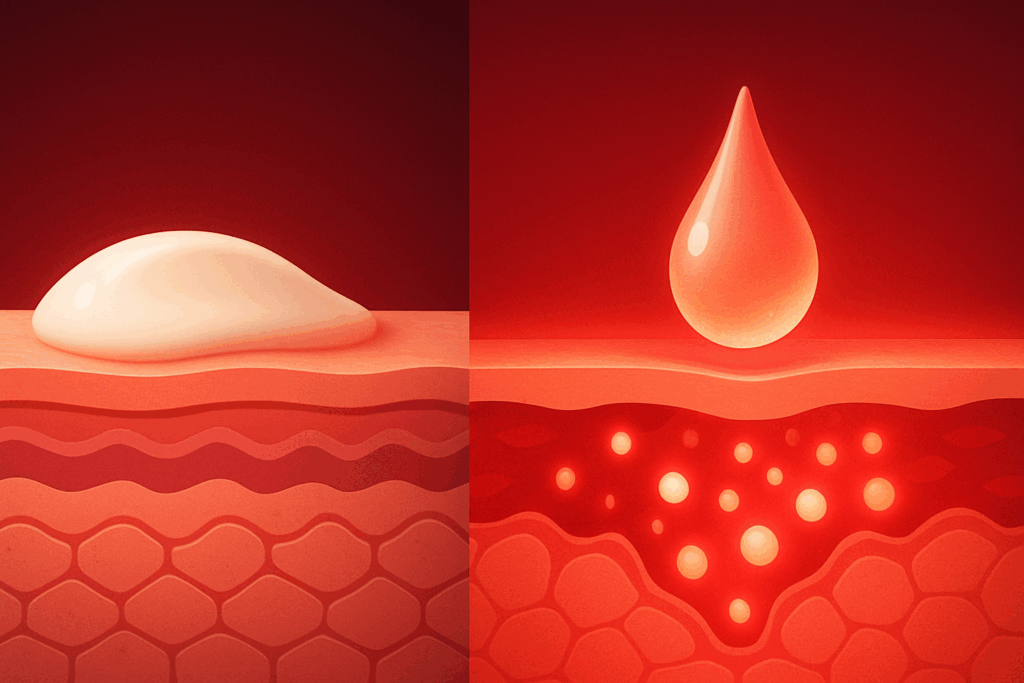
Serums have emerged as the most compatible type of skincare product to use in conjunction with red light therapy due to their lightweight consistency and high concentration of active ingredients. Unlike heavier creams or occlusive lotions, serums are designed to absorb quickly and deliver potent actives directly to the skin’s deeper layers. This makes them an ideal partner for RLT, which already stimulates the skin’s natural mechanisms for absorption and repair.
When used correctly, the best serums to use with red light therapy can work synergistically with the treatment to provide enhanced results. These serums can support collagen synthesis, reduce oxidative stress, and promote skin hydration—benefits that align perfectly with the goals of red light therapy. Additionally, specific ingredients can act as photo-sensitizers, meaning they enhance the skin’s receptiveness to light and amplify its effects.
It’s important to note that not all serums are created equal. Some formulations may contain ingredients that absorb light energy, creating a barrier that limits the penetration of red light. Others may include components that are sensitive to light exposure and could degrade or cause irritation. This underscores the importance of selecting a red light therapy serum that is both photostable and biocompatible with the intended treatment.
Key Ingredients to Look For in a Red Light Therapy Serum
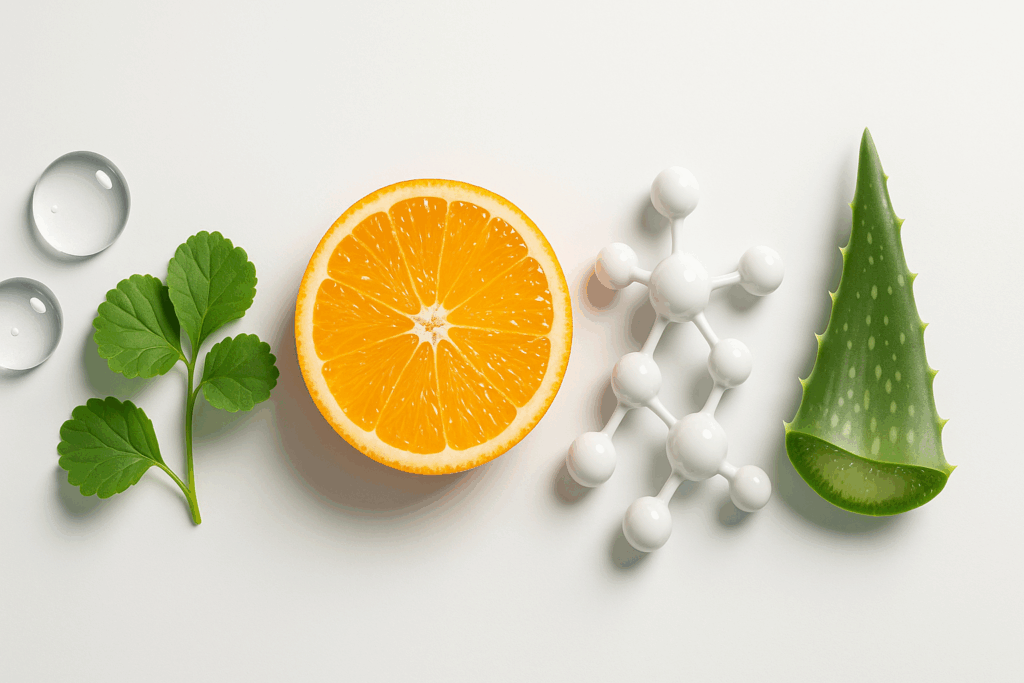
When deciding what serum to use with red light therapy, it is crucial to understand which ingredients are beneficial and which may be counterproductive. One of the most recommended ingredients is hyaluronic acid. Known for its exceptional hydrating properties, hyaluronic acid draws moisture into the skin, plumping it from within and creating a supple surface that responds well to light stimulation.
Another standout is niacinamide, or vitamin B3, which helps strengthen the skin barrier and improve tone and texture. It is known for its anti-inflammatory effects and ability to reduce hyperpigmentation, making it a perfect companion to red light therapy’s collagen-boosting effects. Antioxidants such as vitamin C and resveratrol are also highly recommended due to their role in neutralizing free radicals that can be generated during the light exposure process. These ingredients not only protect the skin but also enhance its ability to repair and regenerate.
Peptides, particularly copper peptides, can be extremely effective when used with red light therapy. These signaling molecules aid in the synthesis of collagen and elastin, further reinforcing the structural integrity of the skin. Additionally, panthenol (vitamin B5) and aloe vera provide soothing, anti-inflammatory effects that can calm the skin post-treatment.
On the other hand, users should avoid serums with potentially photosensitizing agents such as retinoids, benzoyl peroxide, and alpha-hydroxy acids (AHAs) unless specifically formulated for light-based treatments. These can increase the risk of irritation and counteract the soothing, reparative goals of red light therapy.
Timing and Application: How to Maximize Serum Benefits
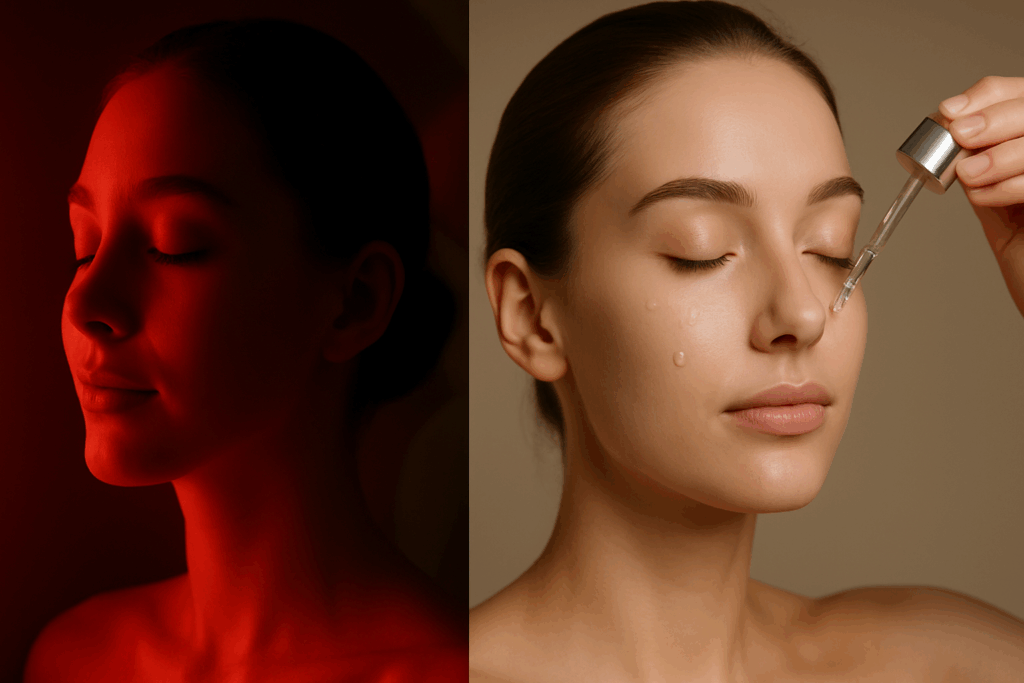
The timing of serum application plays a significant role in the effectiveness of the overall treatment. There is ongoing debate in dermatological circles about whether it is more beneficial to apply the serum before or after red light therapy. While both approaches have merit, many experts recommend applying a compatible serum before the session to allow the actives to absorb as the light penetrates the skin.
The theory behind pre-treatment application is that the ingredients are already present in the skin when the light is introduced, potentially allowing for a synergistic interaction. For example, applying hyaluronic acid before red light exposure may enhance hydration and improve light conduction through the skin layers. However, some ingredients may be more effective post-treatment when the skin is primed for absorption and more receptive to active compounds.
A hybrid approach—applying a lightweight, light-compatible serum before treatment and a richer, reparative serum afterward—may offer the best of both worlds. This allows the skin to benefit from immediate light-enhanced delivery of actives while also receiving post-treatment nourishment and protection.
Formulation Matters: Choosing the Right Product
Choosing the best serums to use with red light therapy involves more than checking the ingredient list. Formulation science plays a critical role in determining how well a product will perform in conjunction with light-based treatments. Factors such as pH balance, molecular weight of active ingredients, and the presence of stabilizers can all affect how a serum interacts with the skin during and after therapy.
For instance, serums with a low molecular weight hyaluronic acid penetrate deeper and may be more effective when paired with RLT. Similarly, encapsulated vitamin C, such as in the form of sodium ascorbyl phosphate, provides stability and efficacy without the oxidative instability of pure ascorbic acid. These formulation details can significantly influence results and determine whether a product truly qualifies as a red light therapy serum.
Product transparency is also essential. Reputable brands will disclose their full ingredient lists, pH ranges, and clinical testing data when available. Consumers should be wary of proprietary blends that obscure ingredient concentrations, especially when investing in products marketed specifically for use with red light devices.
The Role of Skin Type and Individual Needs
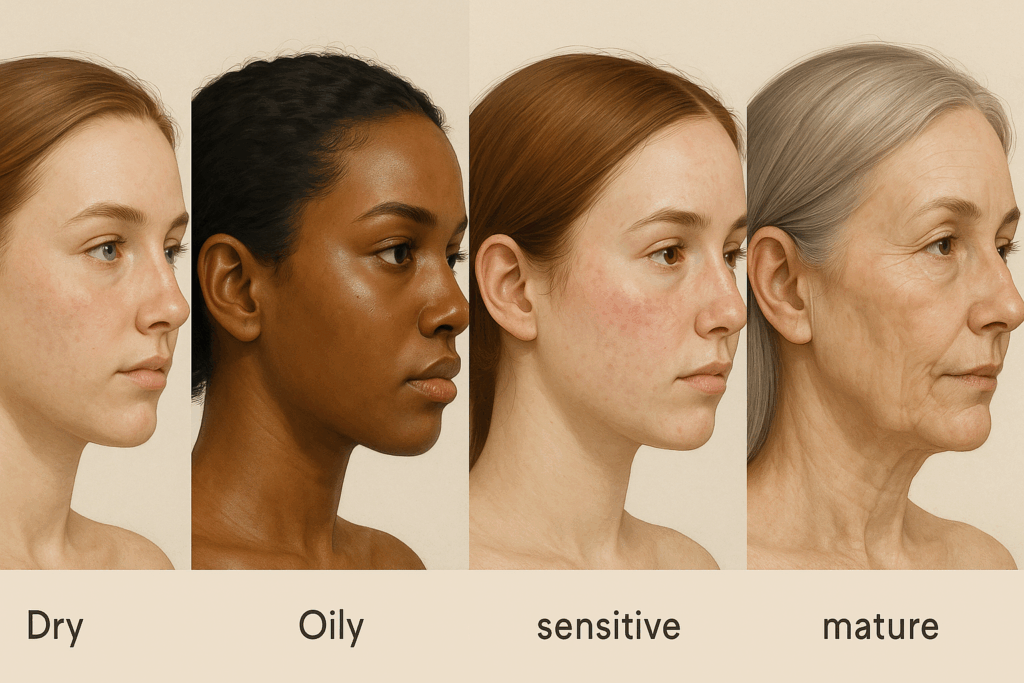
The question of what serum to use with red light therapy cannot be fully answered without considering the individual’s skin type, sensitivity, and overall skin health goals. For example, individuals with dry or mature skin may benefit more from hydrating and barrier-repairing serums, while those with oily or acne-prone skin should seek out lightweight, non-comedogenic formulas that reduce inflammation and regulate sebum production.
Sensitive skin types should be especially cautious, opting for fragrance-free and hypoallergenic formulations that minimize the risk of irritation. A serum containing ingredients like chamomile, green tea extract, or allantoin can offer calming benefits without compromising light penetration.
Moreover, people targeting specific skin concerns—such as hyperpigmentation, fine lines, or rosacea—should choose serums tailored to those issues. For instance, a serum rich in licorice root extract or alpha arbutin may help reduce dark spots, while centella asiatica can strengthen capillaries and soothe redness.
Ultimately, personalization is key. Even the best serums to use with red light therapy will yield suboptimal results if they are not aligned with the unique needs of the user’s skin. Consulting with a dermatologist or licensed skincare professional can provide valuable guidance in this selection process.
Practical Considerations for Integration into Your Routine
Incorporating red light therapy and serums into a daily or weekly skincare routine requires thoughtful planning and consistency. The first consideration is the quality and specifications of the red light device being used. Devices vary in wavelength, intensity, and surface area, all of which influence treatment effectiveness and duration.
Consistency is more important than frequency. Using a red light therapy serum two to three times per week in conjunction with therapy sessions is typically sufficient to observe improvements in skin quality over time. Users should cleanse the skin thoroughly before application to remove any residual oil, dirt, or product that might interfere with light penetration.
Sun protection is another critical component. While red light therapy itself does not make the skin more sensitive to UV radiation, the active ingredients in some serums might. Wearing a broad-spectrum sunscreen during the day is essential, particularly when incorporating antioxidants or exfoliating acids into the regimen.
Storage conditions also matter. Some serums—especially those containing vitamin C or peptides—can degrade if exposed to air, light, or heat. Storing these products in opaque, airtight containers away from sunlight will help preserve their efficacy and ensure they remain beneficial when paired with RLT.

What the Science Says: Evidence Behind Ingredient Synergy
Scientific studies exploring the interaction between topical ingredients and light therapy continue to grow in number and sophistication. Several randomized controlled trials have demonstrated that combining antioxidants like vitamin C and E with red light therapy can yield superior outcomes compared to either modality alone. These combinations have been shown to improve photoprotection, increase collagen density, and accelerate wound healing.
Emerging research also supports the idea that peptides enhance the results of light therapy by stimulating fibroblast activity, which is critical for skin regeneration. Hyaluronic acid has been shown to improve skin hydration levels significantly, and its use in conjunction with RLT further amplifies this effect by increasing skin permeability and elasticity.
However, while anecdotal evidence is plentiful, not all claims are substantiated by peer-reviewed science. Consumers should seek out serums with published research, dermatological endorsements, or independent lab testing. The phrase “clinically tested” is only meaningful if the study design is transparent and results are statistically significant.
Looking Ahead: Innovation in Red Light Therapy Skincare
The future of red light therapy skincare lies in the integration of smart formulations that adapt to the changing needs of the skin. Emerging technologies include time-release serums, microbiome-supporting actives, and wearable delivery systems that combine light therapy and serum application in a single device. These innovations aim to create seamless and effective treatment experiences, eliminating the guesswork in product pairing and timing.
Another trend is the rise of customized skincare—serums formulated based on genetic testing, lifestyle factors, and environmental exposures. These personalized solutions have the potential to redefine what it means to use the best serums to use with red light therapy, shifting from general recommendations to highly individualized care protocols.
Brands are also investing in eco-friendly and sustainable packaging, recognizing the growing demand for clean beauty in conjunction with high-tech skincare. Transparency, ethics, and scientific integrity will likely continue to drive consumer decisions in this evolving space.
Frequently Asked Questions: Red Light Therapy Serums
1. Can layering multiple serums enhance the effects of red light therapy, or is it better to stick with just one? Layering multiple serums can enhance the overall benefits of red light therapy when done thoughtfully, but it requires a strategic approach. Ideally, start with a lightweight, water-based serum that contains actives like hyaluronic acid or peptides, which are known to work well as a red light therapy serum. Follow this with a secondary serum focused on antioxidants or soothing agents. However, too many layers can create a barrier, hindering light penetration. When considering what serum to use with red light therapy, aim for two complementary serums that absorb quickly and do not leave a heavy residue, allowing maximum interaction between the skin and the red light.
2. Are there any specific signs that a serum is not working well with red light therapy? Yes, several subtle signs may indicate that a serum is counterproductive when used with red light therapy. If your skin feels unusually dry, irritated, or congested after sessions, the serum may be too occlusive or contain photosensitive ingredients. A good red light therapy serum should support the skin’s natural recovery, not provoke flare-ups or inhibit progress. Additionally, if you notice your skin looking dull or experiencing breakouts consistently post-treatment, it may be time to reassess your product choice. The best serums to use with red light therapy often leave the skin looking calm, hydrated, and gradually more resilient over time.
3. Can men benefit from using serums with red light therapy, and are there products tailored to their needs? Absolutely, men can experience significant skin benefits from integrating the right serum into their red light therapy routine. While many skincare products are marketed toward women, the science behind red light therapy serum effectiveness is universal. Men often have thicker skin and increased sebum production, which can benefit from lightweight serums with anti-inflammatory and oil-regulating ingredients like niacinamide or green tea extract. Knowing what serum to use with red light therapy for male skin can help reduce post-shave irritation, enhance hydration, and even support anti-aging efforts. Some companies now offer gender-neutral or men-focused options specifically formulated to address these concerns without added fragrances or pore-clogging agents.
4. How do environmental factors influence which red light therapy serum is most effective? Environmental conditions such as humidity, pollution, and sun exposure play a significant role in determining what serum to use with red light therapy. In dry climates, humectants like hyaluronic acid and panthenol are essential for maintaining moisture balance. In polluted urban areas, antioxidant-rich formulas containing resveratrol or ferulic acid are more effective at neutralizing oxidative stress. Choosing the best serums to use with red light therapy involves matching your serum’s properties with the external challenges your skin faces. Those who live in sunny regions should also be cautious about photosensitizers in their skincare and consider using light therapy at night to minimize risks.
5. Can red light therapy serums play a role in post-procedure recovery, such as after microneedling or chemical peels? Yes, when chosen carefully, red light therapy serums can accelerate post-procedure recovery. After treatments like microneedling or peels, the skin is in a vulnerable state that benefits from gentle yet effective support. A hydrating red light therapy serum with calming ingredients like aloe vera, centella asiatica, or vitamin B5 can soothe inflammation while encouraging collagen synthesis. It’s essential to avoid active ingredients like retinoids or acids during this time, as the skin barrier is already compromised. The best serums to use with red light therapy in recovery periods are those designed for barrier repair, helping skin rebuild strength without overwhelming it.
6. Are there benefits to cycling different serums throughout the week with red light therapy? Cycling serums with red light therapy can help address multiple skin goals without overloading the skin at any one time. For example, you might use an antioxidant-based red light therapy serum on days focused on environmental protection and a peptide-rich formula on recovery days. This method allows each serum to target specific pathways in the skin, promoting overall skin health and adaptability. Knowing what serum to use with red light therapy on a rotating schedule allows for greater flexibility and personalization. As with all cycling strategies, be sure to monitor how your skin responds and avoid introducing multiple new products at once.
7. What role does skin microbiome health play when choosing a red light therapy serum? Emerging research highlights the importance of maintaining a balanced skin microbiome, which can be influenced by your choice of serum. Some red light therapy serum formulations now include prebiotics or postbiotics to support a healthy microbial environment on the skin. These ingredients can enhance the skin’s resilience and reduce the risk of irritation often associated with light exposure. When evaluating the best serums to use with red light therapy, those that promote microbiome health may offer added protective and anti-inflammatory benefits. Products free of harsh preservatives and unnecessary fragrances are especially important in supporting this delicate balance.
8. How should red light therapy serum routines change with the seasons? Seasonal shifts can dramatically alter how your skin reacts to both skincare products and red light therapy. During colder months, you may need a more emollient red light therapy serum containing ceramides or squalane to prevent transepidermal water loss. In summer, lightweight formulas with antioxidants and water-binding agents are preferable to avoid congestion and overheating. Understanding what serum to use with red light therapy across seasons helps prevent setbacks like irritation or excessive dryness. Adjusting your product lineup in tandem with climate changes ensures your routine remains effective and your skin stays balanced.
9. Is it advisable to make your own red light therapy serum at home? While DIY skincare is a growing trend, creating a red light therapy serum at home comes with risks. Achieving the right pH, stability, and ingredient synergy requires precise formulation knowledge that most consumers don’t have access to. Improperly mixed serums may degrade under light exposure, become contaminated, or simply fail to deliver any benefits. For those seriously considering homemade options, consultation with a licensed cosmetic chemist is highly recommended. Given the complexity of choosing the best serums to use with red light therapy, professional-grade products tend to offer a safer, more reliable path.
10. How does age influence the effectiveness of different red light therapy serums? Age-related changes in skin structure and function can impact how well a red light therapy serum performs. Younger skin generally responds well to hydrating and preventative formulas, while mature skin may benefit more from ingredients that address collagen loss, thinning, and decreased barrier function. For individuals over 40, incorporating peptides, growth factors, and lipid-replenishing ingredients can significantly enhance the effects of red light treatments. Understanding what serum to use with red light therapy at different life stages enables users to adapt their routines with precision and intention. Personalized selection based on age ensures that the best serums to use with red light therapy work in harmony with the skin’s evolving needs.
Conclusion: Choosing the Best Red Light Therapy Serum for Your Skin Goals
Choosing what serum to use with red light therapy is not a decision to be made lightly. The right product can significantly enhance treatment outcomes, promote long-term skin health, and provide an enjoyable, results-driven skincare experience. Whether you’re seeking the best serums to use with red light therapy for anti-aging, hydration, or skin repair, the key is aligning your serum’s formulation with your skin type, concerns, and the science of light-based treatments.
By focusing on ingredients that support cellular function, protect against oxidative stress, and complement the mechanisms of RLT, users can transform a simple routine into a powerful biohacking strategy. Trustworthy brands, dermatological guidance, and attention to formulation details are essential pillars in this process. With thoughtful selection and consistent use, the fusion of serums and red light therapy can unlock profound benefits—not only for the skin’s appearance but also for its resilience and vitality.
LED skin therapy benefits, collagen boosting skincare, light therapy skincare routine, skincare actives for phototherapy, facial rejuvenation techniques, skin hydration strategies, anti-aging skincare ingredients, infrared light skincare, advanced skin repair solutions, biohacking skin health, skincare for light sensitivity, phototherapy skin enhancement, non-invasive skin treatments, dermal light treatments, skincare ingredient synergy, peptide-based serums, antioxidant skincare support, skincare for inflammation reduction, topical skincare for light therapy, professional skincare tips
Further Reading:
The Best Serums to Use With Red Light Therapy
What Serum To Use With LED Light Therapy
Which Serum or Cream To Use With Red Light Therapy (Topical Review)