



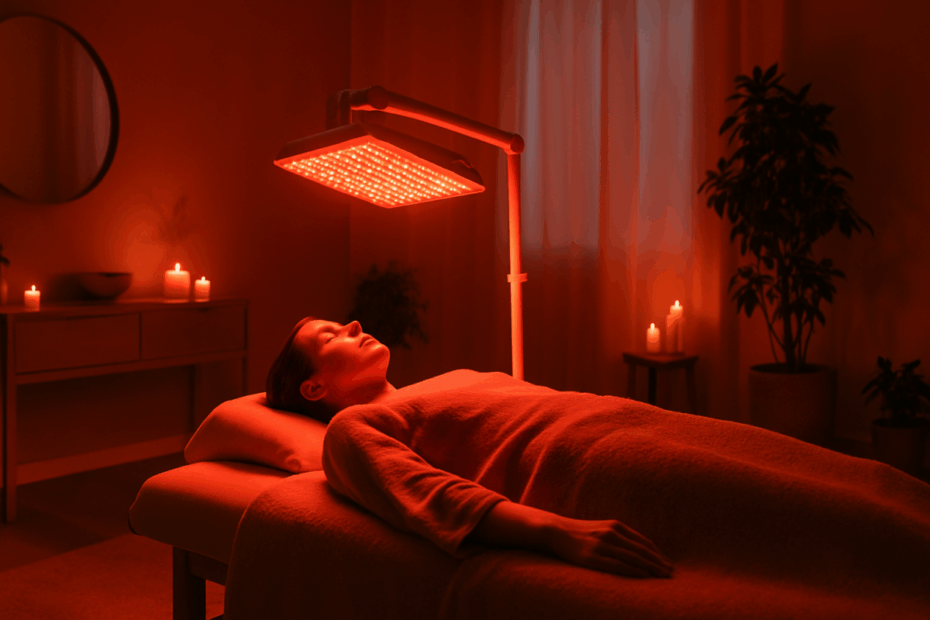

In recent years, the world of biohacking has expanded well beyond niche circles, merging with mainstream health conversations and inviting broader attention to alternative and emerging therapies. Among these innovations, red light therapy has captured the interest of researchers, clinicians, and wellness enthusiasts alike. Often marketed for skin rejuvenation and muscle recovery, this non-invasive modality is now being explored for its potential effects on the brain, specifically concerning mental health conditions such as anxiety and depression. But can red light therapy for mental health truly make a difference? And if so, what mechanisms make it effective, and where does science stand in validating its use?
You may also like: Red Light Therapy Before and After: What Science Reveals About Results, Benefits, and At-Home Use
To explore these questions, we must delve into the biological underpinnings of red light therapy, examine the evidence supporting its use in mental health contexts, and critically assess its role within broader therapeutic frameworks. As interest in red light therapy for anxiety and depression grows, it becomes increasingly important to distinguish evidence-based insights from speculative claims. This article aims to provide a comprehensive, medically accurate, and research-informed look at how red light therapy might offer mental health benefits—while also acknowledging its limitations and need for continued study.
Understanding Red Light Therapy: A Scientific Foundation
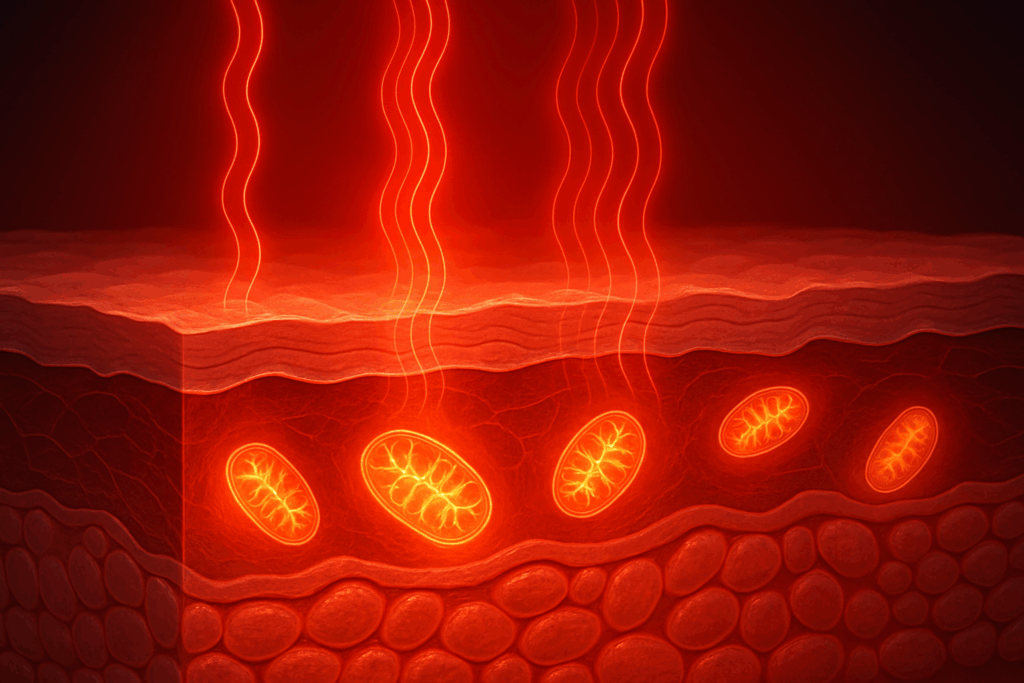
Red light therapy, also known as photobiomodulation (PBM) or low-level laser therapy (LLLT), utilizes specific wavelengths of red and near-infrared light to penetrate the skin and underlying tissues. Typically administered using LED panels or laser devices, these wavelengths—ranging from 600 to 850 nanometers—have been shown to stimulate cellular activity, increase mitochondrial function, and enhance ATP production. This cellular energy boost is believed to support tissue repair, reduce inflammation, and improve circulation.
But how does this translate to mental health outcomes? The connection lies within the brain’s intricate networks of neural communication and its metabolic demands. Neurons are among the most energy-intensive cells in the body. When mitochondrial function falters, cognitive and emotional processes can be affected. Preliminary research suggests that red light therapy may help restore energy balance in these cells, potentially mitigating symptoms of depression and anxiety.
Moreover, the anti-inflammatory properties of red light may play a role in neuroprotection. Chronic neuroinflammation has been implicated in the pathophysiology of depression and other mood disorders. By modulating inflammatory markers, red light therapy could create a more favorable neurochemical environment, promoting emotional regulation and cognitive resilience.
The Emerging Evidence for Red Light Therapy in Mental Health
While the application of red light therapy for physical ailments is well-documented, its use in mental health is relatively nascent. However, emerging clinical trials and case studies offer promising insights. One noteworthy study published in the journal Neuropsychiatric Disease and Treatment demonstrated that transcranial red light therapy improved depressive symptoms in patients with major depressive disorder after only a few sessions. Participants showed improvements in mood, focus, and sleep quality, which are key indicators of overall mental health.
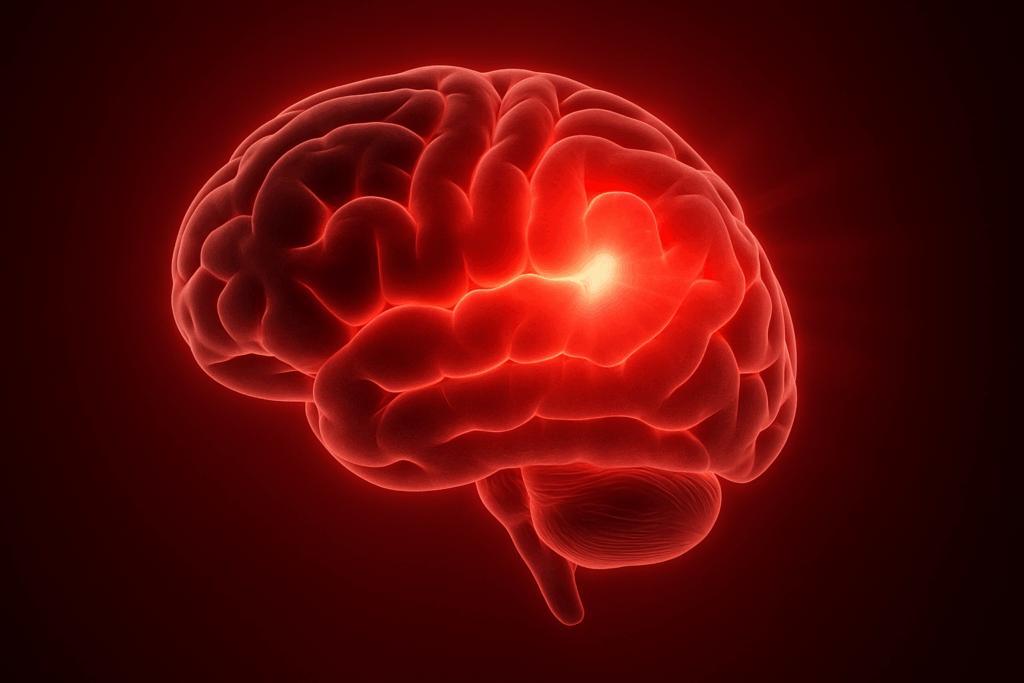
Another study, conducted at Harvard Medical School, explored the effects of near-infrared light on brain metabolism and executive functioning. The findings suggested enhanced cerebral blood flow and improved oxygen utilization in the prefrontal cortex, a brain region critically involved in mood regulation, decision-making, and executive control. These enhancements may help explain the reported reductions in depressive symptoms and anxiety.
That said, it is important to interpret these results with scientific rigor. Most existing studies feature small sample sizes and short durations. While the results are encouraging, they do not yet constitute a robust evidence base. Future large-scale, placebo-controlled trials are necessary to confirm the efficacy of red light therapy for mental health and to establish standardized protocols for its use.

Mechanisms of Action: How Red Light Influences the Brain
Understanding how red light therapy influences brain function requires an appreciation of both neurobiology and photophysics. At the core of this therapy is the stimulation of cytochrome c oxidase, an enzyme within the mitochondrial respiratory chain. When activated by red and near-infrared light, this enzyme facilitates increased ATP synthesis, providing neurons with the energy they need to function optimally.
In addition to energy production, red light therapy is associated with the release of nitric oxide, a molecule that plays a pivotal role in vasodilation. By enhancing blood flow, nitric oxide can improve the delivery of oxygen and nutrients to brain tissues. This effect is particularly relevant in mood disorders, where impaired cerebral perfusion has been observed in individuals with depression.
Furthermore, red light therapy may support the modulation of brain-derived neurotrophic factor (BDNF), a protein involved in neurogenesis and synaptic plasticity. BDNF is often referred to as “fertilizer for the brain” because of its role in promoting the growth and connectivity of neurons. Low levels of BDNF have been consistently linked to depression and anxiety, and interventions that enhance BDNF expression may offer therapeutic benefit.
Red Light Therapy for Anxiety: What the Research Shows
Anxiety disorders are among the most common mental health conditions worldwide, often characterized by excessive worry, restlessness, and physiological arousal. Traditional treatment approaches include cognitive-behavioral therapy, medication, and lifestyle changes. However, many individuals seek complementary or alternative therapies, particularly when conventional options produce side effects or prove ineffective.
In this context, red light therapy for anxiety represents a novel and non-invasive intervention. Research, though still limited, points to several ways this therapy might alleviate anxious symptoms. By increasing ATP availability and enhancing cerebral circulation, red light may help regulate autonomic nervous system activity, promoting parasympathetic (rest-and-digest) responses over sympathetic (fight-or-flight) arousal.
Moreover, reductions in inflammation and oxidative stress may also play a role. Chronic anxiety is often accompanied by elevated levels of cortisol and pro-inflammatory cytokines. Red light therapy’s anti-inflammatory effects could contribute to a calmer, more balanced physiological state. While these mechanisms are promising, they should not replace clinically established treatments, especially for those with severe or persistent anxiety.
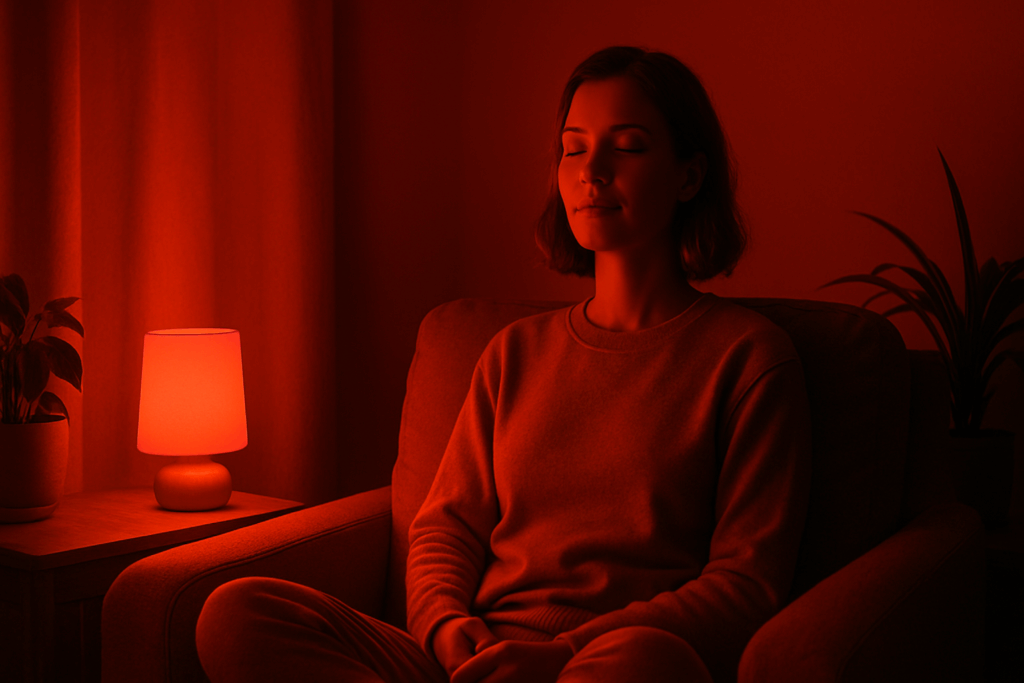
Practically speaking, individuals who have used red light therapy for anxiety often report feeling calmer and more focused after sessions, particularly when therapy is applied transcranially or over the forehead. Though anecdotal, these accounts align with emerging scientific perspectives and underscore the importance of further investigation.
Exploring Red Light for Depression: Clinical and Theoretical Insights
Like anxiety, depression is a multifactorial condition influenced by genetics, neurochemistry, environmental stressors, and personal experiences. Conventional antidepressants work by modulating neurotransmitters such as serotonin and dopamine, but not all patients respond to these treatments. This has led to increasing interest in adjunctive approaches like red light therapy.
The appeal of red light for depression lies in its ability to target physiological pathways that may be underactive in depressive states. For instance, reduced mitochondrial activity and impaired neuroplasticity have been documented in individuals with depression. As discussed earlier, red light therapy may help reverse these dysfunctions by boosting cellular energy and increasing BDNF levels.
Recent studies exploring red light therapy for mental health have reported improvements in mood, motivation, and cognitive function. Some researchers have even posited that red light might help normalize circadian rhythms, which are often disrupted in depressive disorders. Light exposure, particularly in the morning, is known to influence melatonin production and sleep-wake cycles. By delivering specific wavelengths that mimic natural sunlight, red light therapy could help reset biological clocks, improving sleep and overall well-being.
Nonetheless, clinical implementation remains complex. The optimal dosage, duration, and frequency of red light sessions for treating depression have yet to be standardized. Variability in devices and treatment protocols adds another layer of complexity, emphasizing the need for clinical guidance and professional oversight when exploring this therapy for mood disorders.
Biohacking Mental Health: Integrating Red Light Therapy with Other Strategies
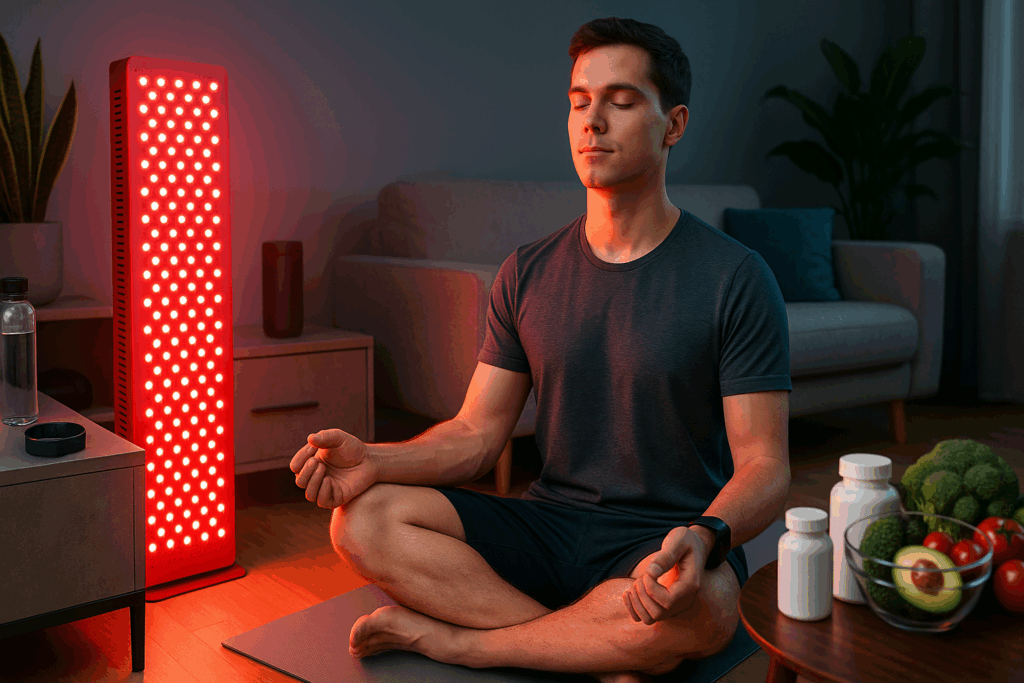
Biohacking is the practice of using science, technology, and self-experimentation to enhance physical and mental performance. Within this paradigm, red light therapy for mental health fits naturally as an intervention that aligns with the goal of optimizing brain function and emotional well-being. However, red light should not be seen as a standalone cure. Its greatest potential may lie in its integration with other evidence-based strategies.
For instance, combining red light therapy with mindfulness meditation may enhance its calming effects, as both approaches target stress reduction through different mechanisms. Similarly, incorporating exercise and nutrition protocols known to support mitochondrial health could synergize with the cellular benefits of red light exposure. Omega-3 fatty acids, B vitamins, and polyphenols are examples of nutrients that support brain health and may complement red light therapy’s effects.
Additionally, psychological interventions such as cognitive behavioral therapy (CBT) can be augmented with red light sessions, potentially improving neuroplasticity and responsiveness to therapy. The goal is to create a comprehensive mental health plan that addresses biological, psychological, and environmental factors in a personalized and sustainable manner.
What to Consider Before Starting Red Light Therapy
For those considering red light therapy for anxiety or depression, it is essential to approach the modality with both curiosity and caution. Despite its non-invasive nature and growing body of research, red light therapy is not without its limitations. Devices vary widely in quality, wavelength accuracy, and irradiance levels. Using a medically approved, well-calibrated device is crucial for safety and efficacy.
Additionally, treatment parameters such as session duration, frequency, and proximity to the device must be carefully managed. Overexposure can potentially lead to diminishing returns or unwanted side effects, such as eye strain or skin sensitivity. Consulting with a healthcare provider experienced in photobiomodulation can help tailor a regimen suited to individual needs.
Cost and accessibility are also important considerations. While home-use devices are becoming more affordable, clinical treatments may still be cost-prohibitive for some. Nevertheless, as awareness and demand increase, the market is likely to evolve, improving access and affordability.
Lastly, individuals should set realistic expectations. Red light therapy for mental health may offer subtle yet meaningful improvements rather than dramatic transformations. Consistency and patience are key, and therapy should always be part of a broader, integrative approach that includes lifestyle modification and professional support.
The Future of Red Light Therapy in Psychiatry and Wellness
The expanding interest in red light therapy for mental health is a testament to the evolving landscape of psychiatric care. As research deepens, we are likely to see more precise recommendations, clearer treatment protocols, and greater integration with digital health technologies. Wearable photobiomodulation devices, for example, may offer real-time, personalized interventions that adapt to an individual’s circadian rhythms, stress levels, and cognitive patterns.
Moreover, the incorporation of red light therapy into mental health clinics, wellness centers, and biohacking facilities is growing. These environments provide a structured setting for therapy, enabling professional oversight and standardized treatment. Such settings also allow for better data collection, which can inform future research and policy development.
Public interest will undoubtedly play a role in shaping how red light therapy evolves. As patients demand more holistic, less pharmaceutical-centric options, therapies like red light—grounded in biophysics and neuroscience—may become increasingly prominent. Education, however, will be crucial. Ensuring that individuals understand both the potential and the limitations of red light therapy will help prevent misinformation and promote responsible use.
Frequently Asked Questions: Red Light Therapy for Mental Health
1. Can red light therapy enhance emotional resilience over the long term?
Yes, emerging studies suggest that regular use of red light therapy for mental health may foster long-term emotional resilience by supporting neuroplasticity and stress adaptability. Beyond immediate symptom relief, consistent red light exposure may help reinforce neural pathways associated with mood regulation, particularly when combined with cognitive training or psychotherapy. Emotional resilience involves a brain that is metabolically efficient and neurochemically balanced—both outcomes potentially influenced by photobiomodulation. Moreover, red light therapy’s impact on sleep quality indirectly supports emotional resilience by promoting restorative rest, which is essential for emotional processing and cognitive function. This combination of biological support and improved restorative cycles can help individuals manage future stressors more effectively.
2. How does red light therapy for anxiety compare to mindfulness or meditation practices?
While mindfulness and meditation primarily train cognitive awareness and emotional regulation, red light therapy for anxiety works at a physiological level to enhance mitochondrial activity, reduce inflammation, and improve cerebral blood flow. When used in tandem, these approaches may amplify each other’s benefits, offering both mental clarity and physical calm. In particular, red light exposure before a meditation session can help increase focus and reduce physiological restlessness, potentially deepening the meditative state. Unlike practices that require training and discipline, red light therapy offers a passive yet potent intervention that targets the body’s stress systems directly. Together, they can form a holistic strategy for managing anxiety with both top-down (mind-focused) and bottom-up (body-focused) approaches.
3. Are there gender-specific responses to red light therapy for depression?
Although research is still in its early stages, some preliminary data suggest potential gender differences in how individuals respond to red light for depression. Women, who are statistically more prone to mood disorders, may benefit from protocols that align with hormonal fluctuations throughout the menstrual cycle. For example, applying red light therapy during the luteal phase, when mood swings and inflammation tend to increase, could offer enhanced support. Conversely, men may exhibit a stronger neurovascular response to near-infrared wavelengths due to differences in skull thickness and skin composition, potentially requiring adjusted dosing. As this field evolves, personalized protocols considering biological sex and hormonal context may improve outcomes for those seeking targeted mental health benefits.
4. Can red light therapy be used preventively for mental health support?
Yes, one of the most compelling emerging applications of red light therapy for mental health is its use as a preventive measure rather than merely a reactive treatment. Regular exposure to red light may maintain healthy mitochondrial function and neurochemical balance, helping to reduce the likelihood of developing anxiety or depressive disorders, particularly in high-stress individuals or those with genetic predispositions. In high-performance professions—such as healthcare, aviation, and emergency services—routine red light sessions are being explored to support mental stamina and psychological resilience. This preventive use is particularly relevant in workplace wellness programs, where chronic stress and burnout are growing concerns. When integrated early into a holistic mental health strategy, red light therapy may serve as a non-pharmaceutical safeguard against psychological decline.
5. How does red light therapy affect motivation and executive function?
Motivation and executive function are often compromised in individuals experiencing mental health challenges, particularly depression. Red light for depression has been shown to increase activity in the prefrontal cortex, the brain region responsible for attention, planning, and decision-making. Enhanced oxygenation and ATP production in this area may directly support motivation by increasing energy availability for complex cognitive tasks. Users often report increased clarity and initiative following consistent sessions, suggesting a link between photobiomodulation and improved goal-directed behavior. For those struggling with procrastination or brain fog, this therapy offers a physiological complement to productivity-enhancing strategies, potentially bridging the gap between intention and action.
6. What role does circadian timing play in the effectiveness of red light therapy for anxiety?
Circadian timing significantly influences the efficacy of red light therapy for anxiety. Administering light therapy during morning hours appears to produce the most beneficial results, as it aligns with the body’s natural cortisol awakening response and helps reset disrupted biological clocks. By stimulating early-day alertness without overstimulating the nervous system, morning red light sessions may promote calm focus throughout the day. Evening use, by contrast, could interfere with melatonin release in some individuals, particularly if the light source includes shorter wavelengths. Therefore, understanding and respecting circadian biology can help users optimize their exposure timing and avoid counterproductive outcomes. Chronotherapy, or the alignment of treatment with internal biological rhythms, is an emerging field with profound implications for maximizing the therapeutic effects of light.
7. Can red light therapy support recovery from trauma-related conditions like PTSD?
Red light therapy for mental health is beginning to attract interest as a complementary approach for trauma recovery, particularly in conditions such as post-traumatic stress disorder (PTSD). While traditional treatments often focus on memory processing and emotional regulation, red light therapy targets brain regions associated with hyperarousal and fear conditioning. Early research suggests that transcranial red light may help reduce overactivity in the amygdala, a brain structure deeply involved in threat perception and emotional reactivity. Additionally, improvements in sleep and parasympathetic tone may offer indirect benefits by helping trauma survivors feel more physically grounded and emotionally stable. Although more rigorous studies are needed, the non-invasive nature of red light therapy makes it a promising adjunct for trauma-informed care models.
8. Are there professional athletes or performers using red light therapy for psychological edge?
Yes, an increasing number of elite athletes and performers are adopting red light therapy for mental health as part of their psychological conditioning routines. Beyond physical recovery, these individuals report benefits in stress reduction, emotional composure, and sleep quality—all of which are critical to high-level performance. Red light therapy for anxiety is particularly useful before competitions or public appearances, helping to reduce pre-event nervousness and enhance focus. Some sports psychologists and performance coaches now incorporate red light sessions into mental training regimens, aiming to optimize reaction time and resilience under pressure. As performance psychology evolves, red light therapy is emerging as a tool not just for recovery, but for cognitive and emotional priming.
9. How do wearable red light devices compare to clinical-grade systems for mental health benefits?
Wearable red light devices are becoming increasingly popular for their convenience and accessibility, but they often differ in power output, wavelength consistency, and penetration depth compared to clinical-grade systems. While home-use devices can be effective for general wellness, achieving targeted outcomes like those associated with red light therapy for anxiety or red light for depression may require devices with more precise specifications. Clinical systems typically use calibrated wavelengths (usually 810-850nm for brain applications) and allow for more controlled dosing, which is critical for influencing deep-brain structures. That said, wearables are making strides in quality, and when used consistently and correctly, they can still provide noticeable mental health support. Consumers should evaluate device specifications, user reviews, and, if possible, consult with a professional before making a purchase.
10. What future developments might enhance red light therapy’s impact on mental health?
The future of red light therapy for mental health is likely to be shaped by advancements in personalization, neuroimaging integration, and digital therapeutics. Technologies are being developed that could monitor real-time brain activity and adjust red light dosing accordingly, offering a dynamic and individualized treatment experience. In the realm of red light for depression, researchers are also exploring synergistic interventions combining photobiomodulation with neurofeedback or virtual reality to enhance therapeutic engagement. AI-driven treatment schedules, based on biomarkers like heart rate variability or cortisol levels, may further refine application timing and intensity. As the science matures, we may soon see FDA-cleared mental health devices tailored specifically for anxiety, depression, and even cognitive enhancement, signaling a new era of personalized neurotherapy.
Conclusion: Illuminating a New Path in Mental Health Support with Red Light Therapy
Red light therapy is emerging as a compelling tool in the quest for improved mental health, offering a non-invasive, science-backed approach that aligns well with modern biohacking philosophies. The evidence, while still developing, points to promising benefits for conditions like anxiety and depression—particularly through mechanisms involving mitochondrial function, inflammation reduction, and neuroplasticity support. When integrated thoughtfully with other therapies, red light therapy for mental health may enhance resilience, clarity, and emotional balance.
Yet, it is essential to approach this modality with a balanced perspective. Red light therapy is not a panacea, nor should it replace established medical or psychological treatments. Rather, it represents an exciting addition to the mental health toolkit, one that invites further exploration and scientific validation. As technology continues to advance and our understanding deepens, red light therapy for anxiety and red light for depression may become not just experimental options but mainstream components of personalized mental wellness strategies.
For those on a journey to better mental health, red light therapy offers a literal and metaphorical illumination—a chance to shine light into the darker corners of emotional distress and to embrace a future guided by science, innovation, and holistic healing.
Was this article helpful? Don’t let it stop with you. Share it right now with someone who needs to see it—whether it’s a friend, a colleague, or your whole network. And if staying ahead on this topic matters to you, subscribe to this publication for the most up-to-date information. You’ll get the latest insights delivered straight to you—no searching, no missing out.
Further Reading:
Red Light Therapy’s Role In Mental Health
How Does Light Therapy Treat Depression?